Deliver
From Engineering Prototype to Sale
Deliver
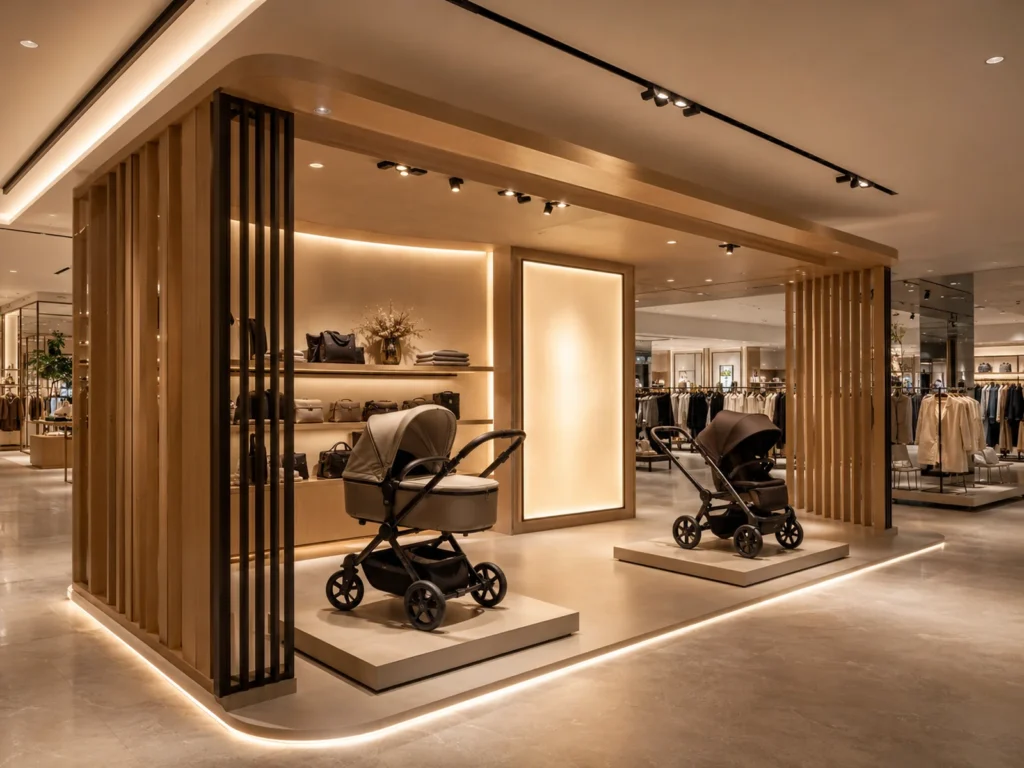
A great design proves its value when it becomes a great product. We bridge the gap between the digital design and the factory floor, guiding the process through every production decision. We stay involved until the product in the box reflects the ambition we started with.
Handover.
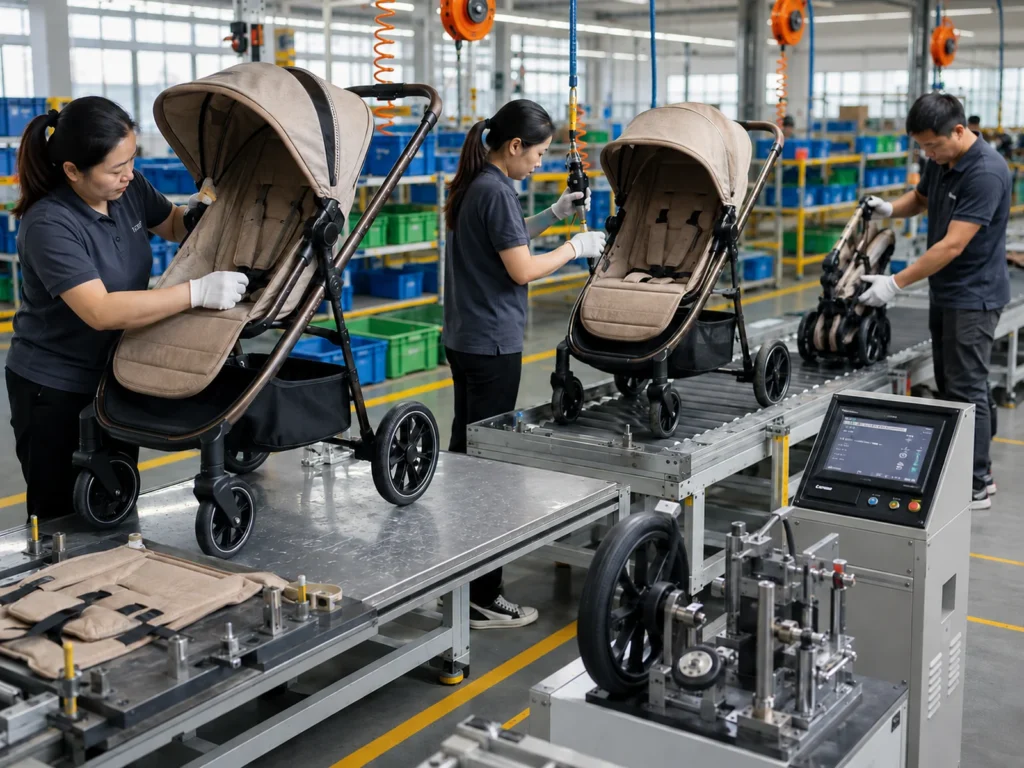
Once the engineering has been completed and verified, one major step remains: turning a fully functional prototype into a product that can be manufactured efficiently, repeatedly, consistently and at high volumes.
The handover of the final CAD and production documentation marks the start of this transition.
It is also the point at which significant investments are often made in production tooling, assembly jigs and injection moulds.
Reality.
Production brings its own realities. Cost targets push against quality, lead times need to be balanced against risk, and efficiency gains can lead to decisions that compromise the design. This is where the original intent needs protecting. We remain closely involved to safeguard what we have all worked so hard to create.
Time to market.
It helps to bring production partners in during engineering, long before handing over the files. This way, tooling decisions, assembly logic and cost targets are aligned before the first production mould is made. That's how we protect time to market and make sure the transition to the factory floor runs efficiently and smoothly.
In this phase a lot can be gained if you do it right and even more can be lost if you do it wrong.
Once the engineering has been completed and verified, one major step remains: turning a fully functional prototype into a product that can be manufactured efficiently, repeatedly, consistently and at high volumes.
The handover of the final CAD and production documentation marks the start of this transition.
It is also the point at which significant investments are often made in production tooling, assembly jigs and injection moulds.
Reality.
Production brings its own realities. Cost targets push against quality, lead times need to be balanced against risk, and efficiency gains can lead to decisions that compromise the design. This is where the original intent needs protecting. We remain closely involved to safeguard what we have all worked so hard to create.
Time to market.
It helps to bring production partners in during engineering, long before handing over the files. This way, tooling decisions, assembly logic and cost targets are aligned before the first production mould is made. That's how we protect time to market and make sure the transition to the factory floor runs efficiently and smoothly.
In this phase a lot can be gained if you do it right and even more can be lost if you do it wrong.
Pre-production.
Durability.
Meeting safety requirements allows you access to the market, but extensive additional testing gives you confidence in durability after market introduction. Therefore, we also advise and help with extended testing by suggesting testing protocols and methods.
Quality perception.
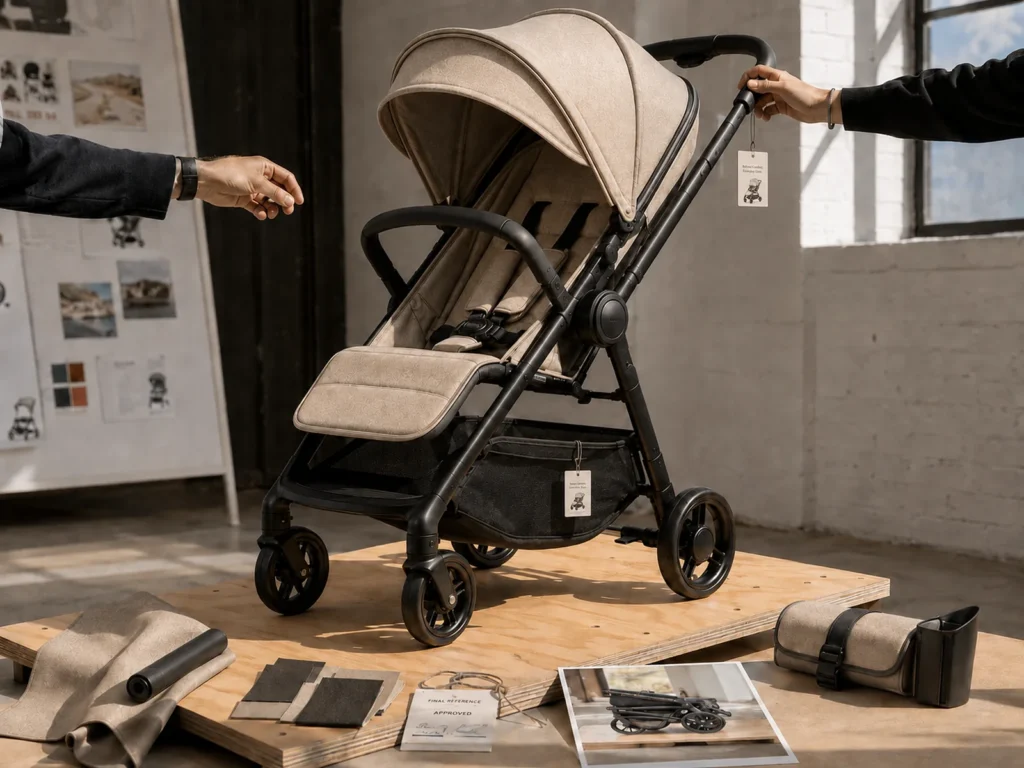
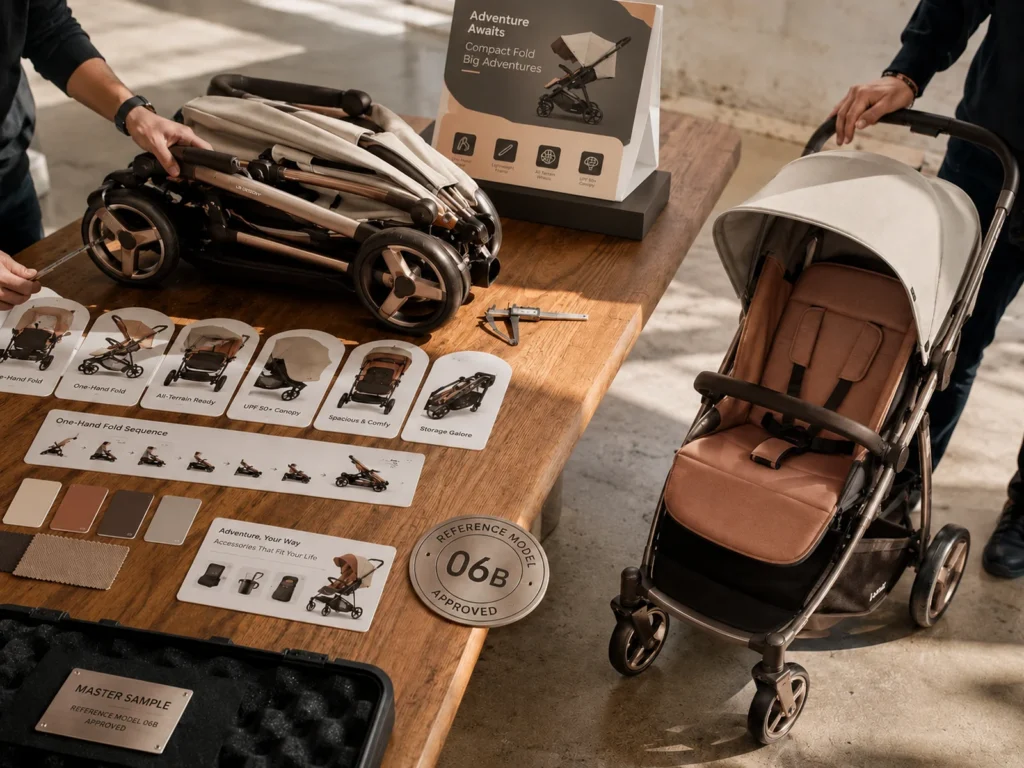
Some things are hard to capture in a written specification. Sometimes it's a sound, a feel, a finish that's difficult to define but you will notice it when it's different from what you expected. It's exactly those details that make it worth buying a product. The distinction between a good and a great product. Our job is to make sure the factory understands what we're after, on paper and in practice. We stay involved until everyone is smiling and the final approval sample is signed off. This is when full-scale production can begin. Because a great concept on paper should be a great product in the box.
Once production tools and processes are ready, we stay close. First shots, testing results and pilot runs are reviewed. We prefer to be present during the pilot run and first production. A less than preferred result is usually caused by a faulty process. This makes judging the process just as important as judging the result.
Potential issues are identified early and resolved before they become structural problems. Where certifications are required, we support the process and don't stop until the product meets all relevant standards.
Durability.
Meeting safety requirements allows you access to the market, but extensive additional testing gives you confidence in durability after market introduction. Therefore, we also advise and help with extended testing by suggesting testing protocols and methods.
Quality perception.
Some things are hard to capture in a written specification. Sometimes it's a sound, a feel, a finish that's difficult to define but you will notice it when it's different from what you expected. It's exactly those details that make it worth buying a product. The distinction between a good and a great product. Our job is to make sure the factory understands what we're after, on paper and in practice. We stay involved until everyone is smiling and the final approval sample is signed off. This is when full-scale production can begin. Because a great concept on paper should be a great product in the box.